
.avif)


1301 K Street NW
Suite #300
Washington, DC 20005

Standing in Houston’s NRG Stadium while more than 70,000 fans chanted, sang, and lived every moment of the 2025 CONCACAF Gold Cup final between the United States and Mexico earlier this month was a reminder of just how deeply sport unifies us at a human level. In that stadium, national pride and regional rivalry mixed with joy, heartbreak, and shared cultural expression. Mexico closed out the tournament with a 2-1 win in something that was more than a futbol match. It reflected the intertwined identities, economies, and futures of two nations.
From NBA, MLB, and NFL games in Mexico to Liga MX teams regularly battling it out with MLS teams, sport is one of the most powerful tools for diplomacy and connection between the United States and Mexico. As tensions regarding migration, trade disputes, and political divides dominate headlines, it can be easy to overlook the deep bonds our countries share. But sport remains a common language – competitive but cooperative, commercial yet cultural – that can help us navigate challenges and unlock opportunities.
A Shared Field of Play
With 48 teams participating and three countries hosting, the FIFA World Cup 2026, co-hosted by the United States, Mexico, and Canada, will be the largest World Cup in history and an embodiment of the opportunities for cross-border cooperation. Mexico will host ten matches between Mexico City, Guadalajara, and Monterrey, cities with storied sports traditions and an unmistakable cultural imprint on U.S. athletics. The tournament will also mark Estadio Azteca becoming the first stadium in the world to host matches in three different World Cups: 1970, 1986, and 2026.
The United States will host the majority of games, including the final, and will welcome millions of fans, players, and delegations from across the globe. Every game across will depend on athletes, coaches, medical teams, media personnel, and fans moving seamlessly into and between all three countries. Because these visitors do not just fill stadiums, they build bridges and dismantle stereotypes. They remind us that diplomacy is not confined to embassies and summits; it also happens in the stands and in locker rooms. The question now is whether we are willing to invest in sports in the way we do other tools of influence.
Beyond the Scoreboard: Policy Implications
Sport alone will not solve every challenge in the relationship between Mexico and the United States, but it can unlock new forms of engagement and goodwill. To do that, we must treat sports diplomacy with the same strategic aims that we apply to trade, security, or energy cooperation. Potential paths of collaboration include:
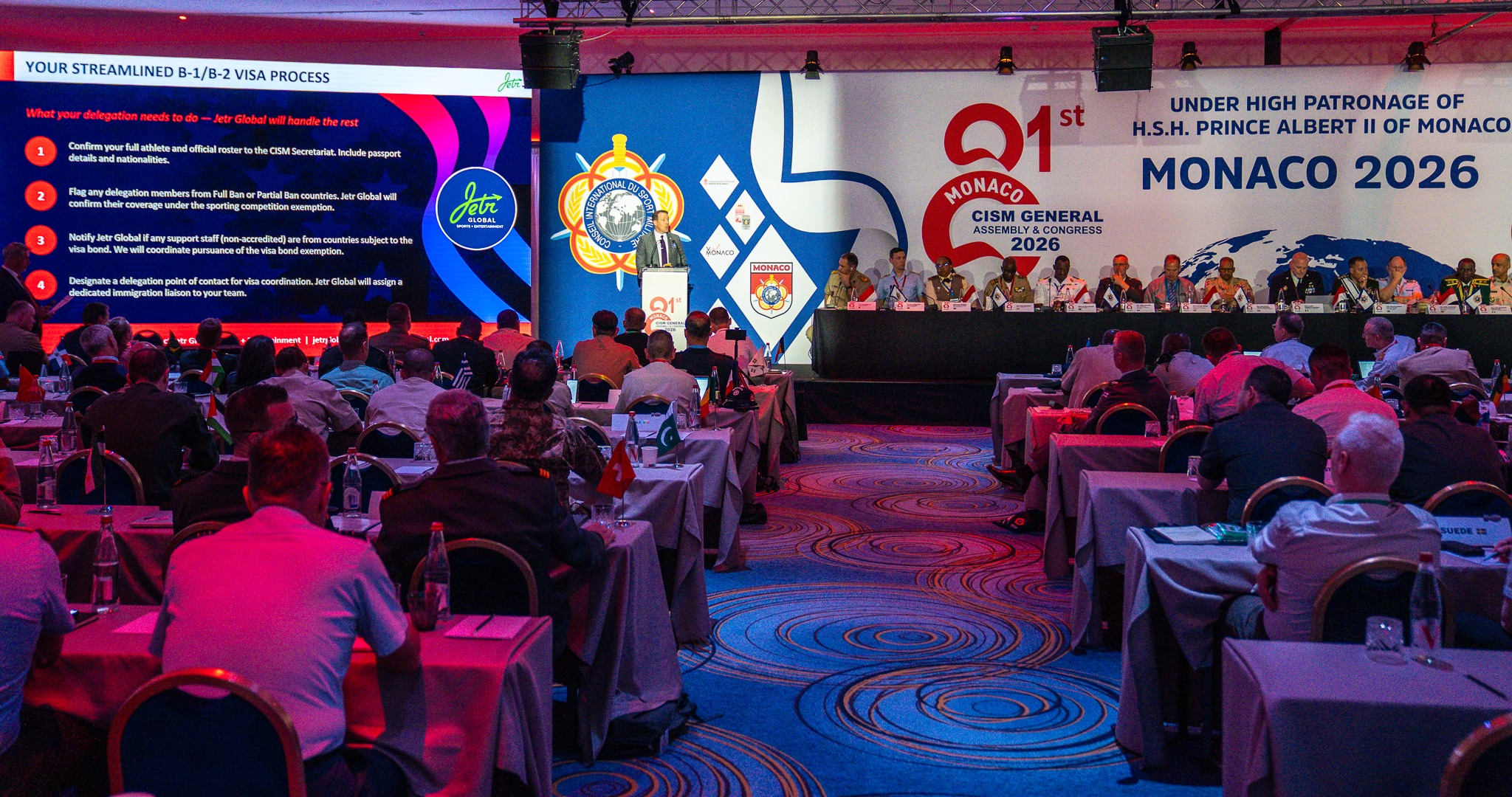
At Jetr Global, we are proud to work at the intersection of these pursuits every day. Whether it is clearing a path for international athletes, advising leagues and governments on growth strategy, or bridging cultural divides through policy, we see how much untapped potential still exists, and how urgent the moment is to act.
Building a Diplomatic Playbook
Our countries have weathered tough times before. What endures is the connection between our people, connections that are strengthened through sports. Sports diplomacy is not a soft concept; it creates jobs, boosts tourism, drives innovation, and fosters shared pride. But perhaps most importantly, it offers a reset, a chance to shift the tone of our bilateral relationship in a way that is visible, inclusive, and inspiring.
That night in Houston, 70,000 fans on their feet, voices rising in unison, divided by jerseys but united in passion, was a reminder of what we stand to gain. Not just a trophy or a title, but something far more lasting: connection, cooperation, and the recognition that our futures are, in so many ways, shared.
Let’s build on that. Let’s invest in it. Because while borders may divide, the game unites.

Tell us where you’re trying to go or what you’re trying to accomplish.
We’ll clear the path to get you there.