
.avif)


1301 K Street NW
Suite #300
Washington, DC 20005

Houston has spent years preparing to host hundreds of thousands of visitors from around the world next summer for the 2026 FIFA World Cup, putting the Bayou City on the global stage during the biggest sporting event in the world.
Experts are now raising questions about America’s ability to receive such an influx of people, however, as some tourists wait months to obtain a visa, and the Trump administration strains relations with international allies and adversaries alike.
New immigration policies and downsizing in the federal government could make it harder to obtain visas and travel safely between the United States, Canada and Mexico, which are co-hosting the tournament.
Houston’s top World Cup planners say they are doing what they can at a local level to ensure a safe and smooth experience for all who visit next summer, and are confident the tournament will carry on as planned.
“I’m only focused on what I can control here, and I remain optimistic that when this World Cup comes next year, with 104 matches played across three countries, that it’s going to be epic,” said Chris Canetti, president of Houston’s 2026 World Cup Committee.
“I have a lot of faith in soccer as a unifier, and these events unite people and pull people together through geopolitical issues and other things that otherwise might dominate the headlines,” Canetti said.
The quadrennial men’s World Cup routinely draws millions of international tourists to its host country over the course of the monthlong tournament. Next year’s World Cup, with an expanded field of 48 teams, will be the biggest in the sport’s history. A recent report from the U.S. Travel Association said that six million people could travel from outside the country to attend.
But unlike in the two most recent host countries, Qatar and Russia, where tickets to a match essentially doubled as visas to enter the country, the U.S. is still requiring some visitors to obtain approval to enter the country.
Fans from countries that are included in America’s Visa Waiver Program — almost all of which are European and Asian — should be largely unaffected. Travelers from most South American and African countries, however, will have to apply for tourist visas separately from their tickets.
That’s a problem for fans of countries that won’t know if their team has even made it to the World Cup or where they will be playing until the matchups are drawn in December. State Department data shows that wait times for visa interviews at consulates in many countries can stretch for months.
In Colombia, a soccer powerhouse that can be reasonably expected to qualify for the World Cup, the current wait time to obtain a visa is 18 months. The tournament would long be over by the time a Colombian who applied now would be able to receive their travel permit.
As the Trump Administration moves to cut down on federal staff and strengthen the vetting process of people who are allowed into the country, industry leaders worry that hits to the State Department could exacerbate difficulties in processing visas.
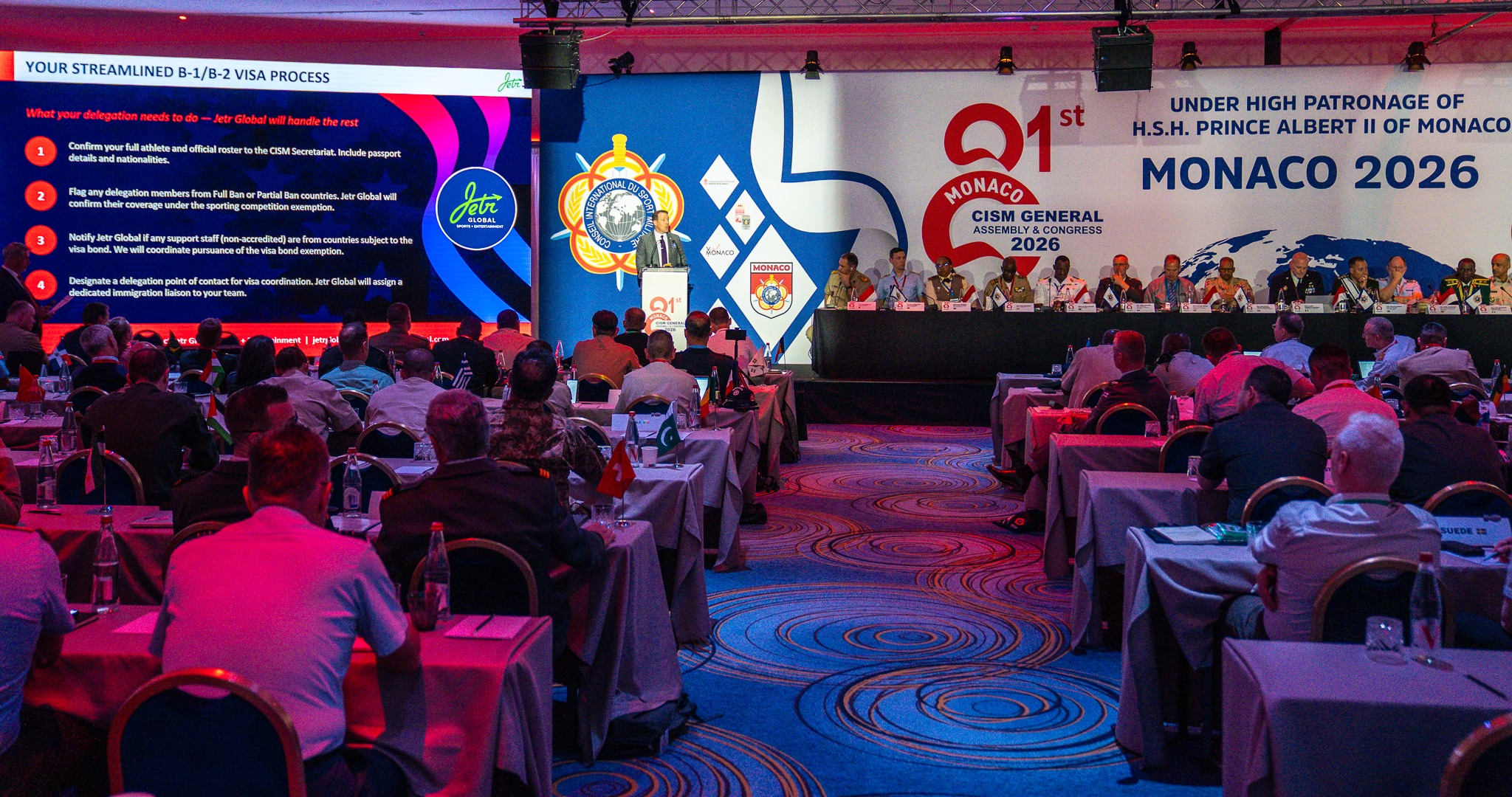
“The wait times will absolutely see the impact of staff reductions. … Wait times are only going to go up, not down,” said Travis Murphy, the founder of Jetr Global Sports + Entertainment and a former American diplomat, to the Athletic.
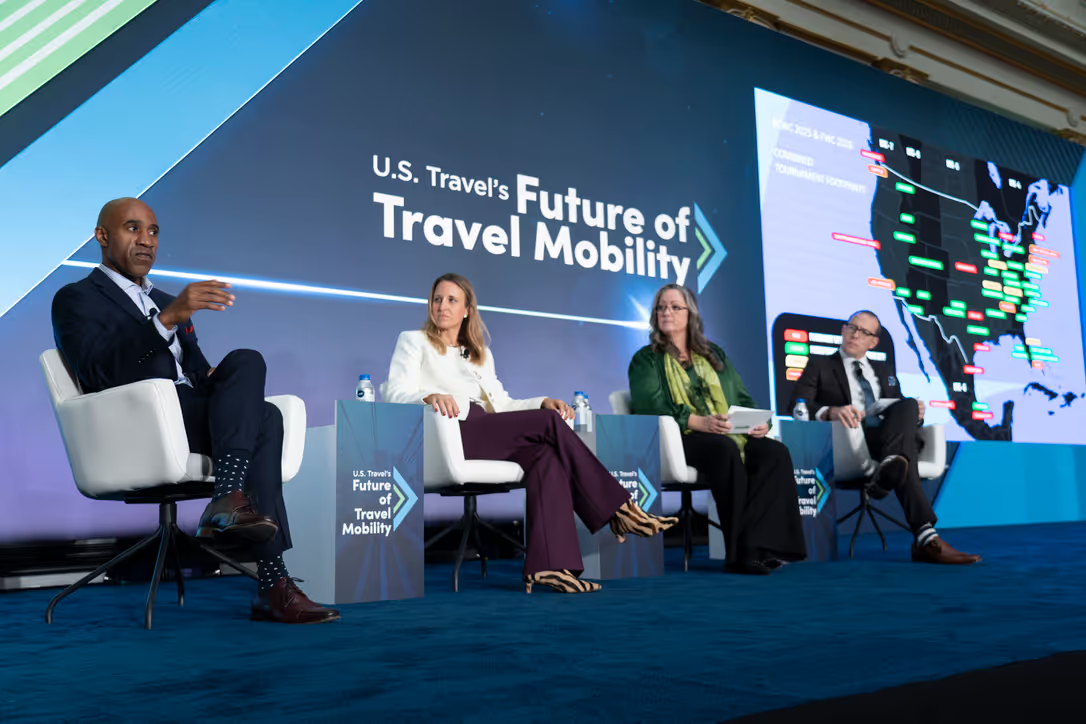
The U.S. Travel Association released a report in February that detailed how unprepared America is to host the millions of people expected to travel to the country over the next several years, not just for the World Cup but for the 2025 Ryder Cup, 2028 Olympics and more.
It recommended that the White House form a task force to coordinate travel, staff consulates at full strength, expand vetting services and extend visa waivers to more countries if it hopes to successfully host the World Cup.
The Trump administration has already made good on the first of those recommendations, establishing a World Cup task force that met for the first time earlier this month.
At the meeting, Homeland Security Secretary Kristi Noem said her department would work with the State Department and the FBI to process visas, and that they would put “all hands on deck to make sure this goes smoothly.”
Vice President JD Vance, however, joked that people who overstayed their visas would face deportation — a quip that may not seem funny to prospective travelers who have watched as the Trump Administration locks up immigrants, some of whom had permission to travel to the United States, in an El Salvadoran mega prison incommunicado.
“We want them to come, we want them to celebrate, we want them to watch the game,” Vance said. “But when the time is up, they’ll have to go home. Otherwise they’ll have to talk to Secretary Noem.”
Several countries, including longtime allies like the United Kingdom, France and Germany, have already issued travel advisories to people planning to travel to the United States due to obstacles their citizens, especially transgender people, might face at the border.
David Goldblatt, a British journalist, academic and soccer historian, said that while he ultimately expects stadiums to be full, he wouldn’t be surprised if some fans feel trepidation about traveling for the tournament.
“Who around the world isn’t thinking that the American border is quite a tricky place right now?” Goldblatt said. “It’s a whole new territory, no one has had to think about this in living memory about going to the United States, so yeah, I think it’s an issue.”
Goldblatt, however, also said that the Trump administration seems genuine in its intentions to host a great World Cup, and might make strides to rectify any widespread travel difficulties that arise.
“My impression is that the White House really loves the World Cup. They don’t understand the game but they know that it’s great television, and that’s really important in this White House,” Goldblatt said. “If systematic difficulties were to start emerging, I wouldn’t be surprised to see some action.”
In 2006, Houston Dynamo player Brian Ching earned a spot in the U.S. Men’s National Team and traveled to Germany for the World Cup. Walking around Hamburg, where the U.S. team set up its base, he got a firsthand look at what makes the tournament so unique.
“You’d see people from every country in the world walking around and experiencing the city,” Ching said. “Everybody just seemed to be in this happy mood, celebrating the sport, and that experience excites me about what’s going to happen here in Houston, and what the people of Houston are going to be able to experience.”
Ching, now 46, will be in the center of the action once more next year when the World Cup Fan Festival sets up shop in EaDo, just down the street from his sprawling, soccer-themed sports bar, Pitch 25.
He’s already making preparations for the massive crowds expected to walk through his doors over the course of the tournament — enormous new LED screens over the bar’s indoor soccer pitch and outdoor patio, along with new rows of smaller TVs to join the dozens that already hang over patrons’ heads.
Ching is bullish on Houston’s potential to host a great World Cup, regardless of what’s playing out on a federal level.
“People sort their differences out most of the time for these big events and want to put their best foot forward, and America is no different in that sense,” Ching said. “The political climate is charged right now, but I think in a year’s time a lot of it will be sorted, hopefully, and if not I think that hosting the World Cup will help with that.”
Houston’s World Cup Committee remains busy sorting out preparations before the tournament begins next June. Houston will host seven matches, and the committee must help coordinate safety precautions, transportation, accommodations and more for teams and their fans.
While uncertainty swirls at the top levels of the sport, Canetti said he is only controlling what he can control here in Houston, and expects the Bayou City to seize its moment in the sun.
“The spotlight will be shining very brightly on our city, which will be awesome,” Canetti said. “Of course the games are going to be epic … but really what excites me the most is the opportunity we have to leverage the power of this event to help make Houston a better place.”

Tell us where you’re trying to go or what you’re trying to accomplish.
We’ll clear the path to get you there.